
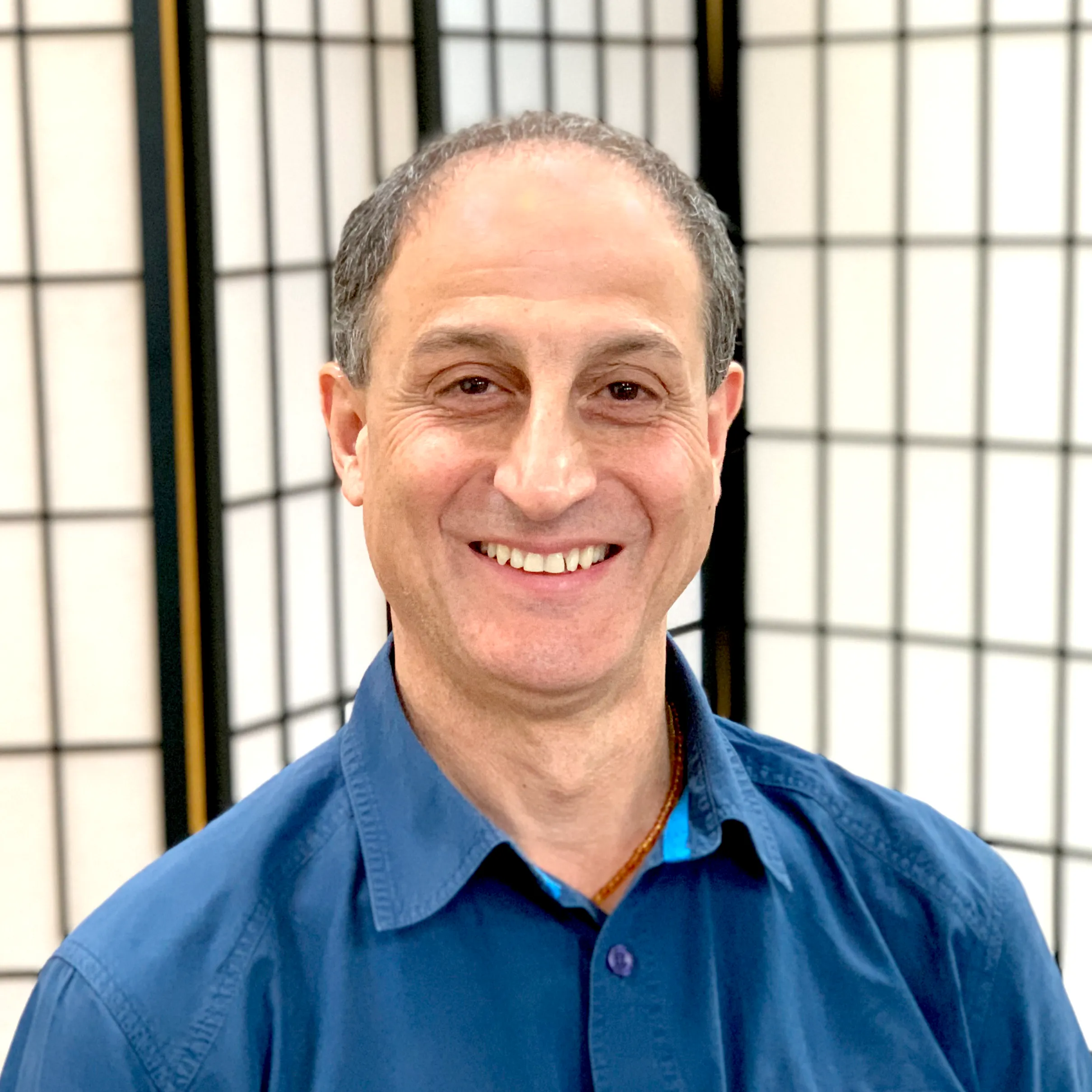
Paul Movsessian
East Asian Medicine Foundation
Approved Modalities
- AcupunctureAcupuncture, a 3,000-year-old Traditional Chinese Medicine therapy, aims to restore balance to the mind, body, and spirit by addressing the root cause of disease. Tiny steel needles inserted into specific acupoints stimulate the body's central nervous system, releasing chemicals into muscles, the spinal cord, and brain, promoting Qi flow, clearing energetic blockages, and inducing self-healing. Moxibustion, herbs, or dietary supplements may complement treatment. Acupuncture benefits various conditions like arthritis, headaches, sleep disorders, blood pressure, sports injuries, infertility, digestive issues, anxiety, menopause, and pain. Regulation of Acupuncturists varies by region, and practitioners must hold appropriate qualifications and licensure.
- AuriculartherapyAuriculartherapy is a holistic therapy that involves stimulating specific points on the ear to address physical, emotional, and mental health concerns. Based on the principles of traditional Chinese medicine, it views the ear as a microsystem reflecting the entire body. By applying acupressure, electrical stimulation, or ear seeds, practitioners activate nerve pathways linked to the brain and organs, promoting balance and healing. Auriculartherapy is commonly used to manage pain, stress, anxiety, sleep disorders, and addiction cravings. It is a non-invasive, drug-free therapy that can complement other treatments, supporting overall wellness.
- Chinese MassageChinese Massage, also called Tui Na Massage, is a healing system, based on the principles of Chinese Medicine. Chinese Massage is would be treated by physiotherapists, sports injury therapists, osteopaths and chiropractors as well as some that would be treated with drug therapy. Works with meridians and Acupressure points, can be very vigorous.
- Human Physiology and Anatomy
- Japanese Needle TherapyJapanese Needle Therapy, also known as Japanese Acupuncture, is a form of acupuncture that originates from Japan. It emphasises a gentle and refined approach to needling, using thinner needles and shallower insertions compared to traditional Chinese acupuncture. Japanese Needle Therapy focuses on restoring balance and harmony in the body by targeting specific acupuncture points and meridians. It also incorporates palpation techniques to assess the body's condition and determine the appropriate treatment. The therapy aims to stimulate the body's natural healing mechanisms, promote energy flow, and address a wide range of physical, emotional, and energetic imbalances.
- MoxibustionMoxibustion is a therapeutic traditional Chinese medicine method that has been used since 500 BCE. It involves burning moxa, a cone or stick made of ground mugwort leaves, on or above the body’s meridians and acupuncture points. In traditional Chinese medicine, moxibustion is used for people who have a cold or stagnant condition. It strengthens the blood, stimulates the flow of qi and promotes general health.
- ShiatsuShiatsu is a Japanese form of therapeutic bodywork that involves applying pressure to specific points on the body to promote balance and alleviate tension. Derived from traditional Chinese medicine and influenced by Western practices, Shiatsu aims to enhance the body's natural energy flow, known as Qi. Practitioners use their fingers, thumbs, and palms to massage and stretch the body, fostering relaxation and addressing various physical and emotional issues. Practitioners may also incorporate cupping, moxibustion, and elements of TCM including tongue analysis and pulse diagnosis. This holistic approach aligns with the belief that imbalances in Qi contribute to health problems, and Shiatsu seeks to restore harmony within the body. It is commonly used for stress reduction, pain relief, and overall well-being.
- Toyohari Meridian TherapyToyohari Meridian Therapy is a refined Japanese acupuncture style known for its gentle and non-invasive approach. Developed by blind acupuncturist Yoshio Manaka, it utilizes specialized techniques like non-inserted needle methods, palpation, and touch to balance and harmonize the body's meridian system. This subtle and precise therapy aims to promote natural healing by addressing energetic imbalances, often without penetrating the skin. It's recognized for its emphasis on pulse diagnosis, delicate needling, and holistic treatment principles, making it suitable for a wide range of conditions and patients, including those seeking a more gentle acupuncture experience.
- Tuina MassageTuina Massage is a traditional Chinese therapeutic massage technique that aims to promote the flow of Qi (vital energy) in the body. Practitioners apply manual pressure and manipulate the muscles and soft tissues using various techniques, such as kneading, rolling, and stretching. Tuina Massage targets specific acupressure points and meridians to address imbalances, relieve tension, and improve overall wellbeing. It is used to alleviate musculoskeletal pain, reduce stress, enhance circulation, and support the body's natural healing process. Tuina Massage combines physical manipulation with the principles of Traditional Chinese Medicine, making it a comprehensive approach to holistic healing and wellness.
Location
Hours of Operation
Monday
Closed
Tuesday
09:00 - 16:00
Wednesday
09:00 - 16:00
Thursday
Closed
Friday
Closed
Saturday
Closed
Sunday
Closed
Appointment
In person
Payment Methods
Bank Transfer
Cash