Marina Locke
Mother Wellness
About
For 30+ years I have travelled the world teaching pre/postnatal massage, prenatal yoga, pelvic floor understanding and birth preparation skills to various professionals. I am Canadian, NZ and Australian qualified massage therapist, international yoga teacher (1000+ hrs), former doula, and infant massage instructor. My inspiration comes from Ina May Gaskin, Gloria Lemay, Dr. Bernadette de Gasquet, Eric Dalton, and sooo many more.
Approved Modalities
- Cupping (dry)Cupping therapy (dry), a form of Chinese and Middle Eastern medicine, is the application of heated cups to certain acupuncture points on the back. Cups may be left in place or moved across the tissue (eg. myofascial or sliding cupping). The cups create suction, drawing the skin and superficial muscles inside the cup, helping to remove stagnation and open meridians to allow the free flow of chi (energy). Cups can be made of materials such as glass, bamboo, clay, and silicone. Generally cupping is used to help with pain, inflammation, blood circulation, and relaxation and is generally performed by an acupuncturist, chiropractor, massage therapist, medical doctor or physical therapist. This modality does not cover wet cupping/bloodletting. Please refer to Hijama Cupping Therapy.
- Baby/Infant MassageBaby/Infant Massage practitioners educate and support parents in bonding, nurturing, and soothing their babies and children. They teach massage protocols and techniques, including safe positioning, stroke sequences, and relaxation touch. These techniques can help with wind, colic, constipation, reflux, and touch therapy for preterm infants. Practitioners also train parents on massage techniques for different stages of childhood development. However, being a Baby/Infant Massage practitioner does not qualify them to provide massage services to babies, children, or adolescents. It is purely an educational practice delivered to parents and caregivers.
- Prenatal/Postnatal YogaPre and postpartum women experience a variety of emotional and physiological changes before, during and after birth. Prenatal and postnatal yoga addresses these changes by adapting traditional yoga classes to suit their unique needs. Prenatal and postnatal yoga can provide many benefits during pregnancy, as well as improve labour and birth outcomes and postpartum recovery. Classes are generally 60 - 90 minutes in duration and incorporate breathing, gentle asanas, stretching and mindfulness.
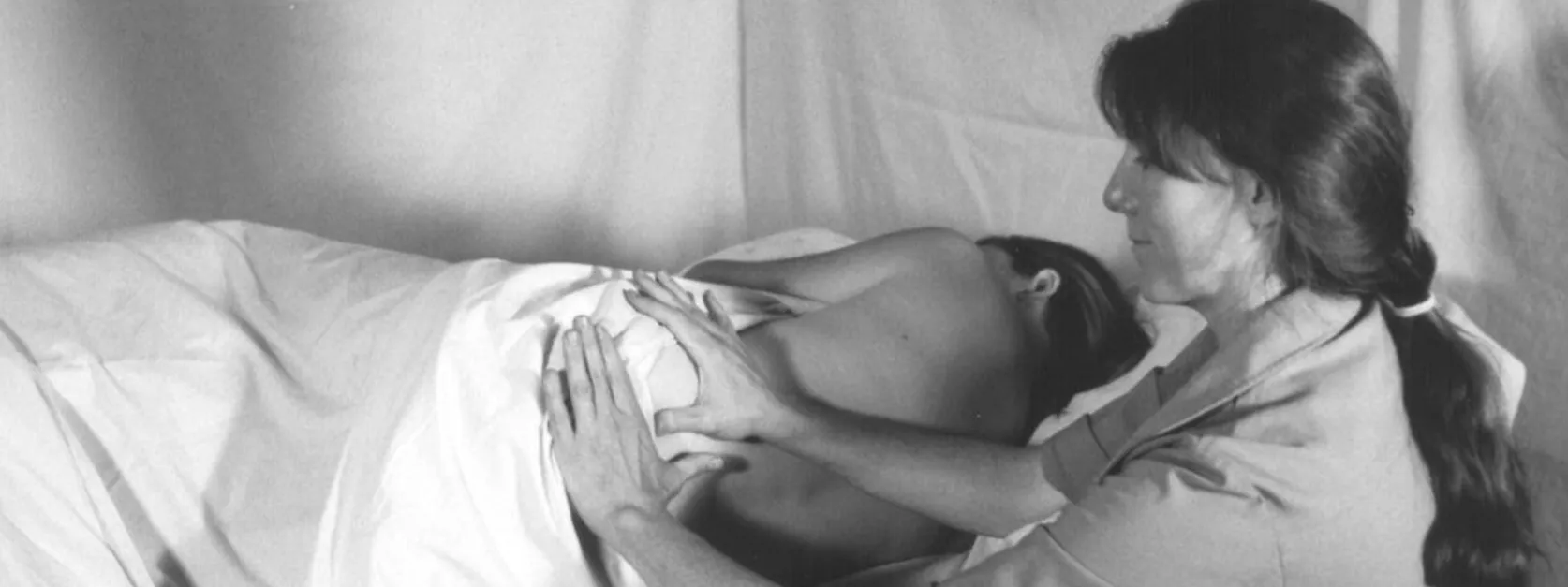
- Pre and Post Natal MassagePre and postnatal massage is a specialised form of massage therapy that is tailored to the unique needs of pregnant individuals before and after childbirth. It provides physical and emotional support during this transformative time. Pre and postnatal massage focuses on relieving discomfort, reducing muscle tension, promoting relaxation, and improving overall wellbeing. It uses gentle techniques and positions that ensure the safety and comfort of the pregnant person. Pre and postnatal massage can help alleviate pregnancy-related symptoms such as back pain, swelling, and stress. It promotes a sense of nurturance, connection, and self-care, offering a soothing and rejuvenating experience for expectant and new parents.
- Hatha YogaYoga, a Vedic tradition dating back over 2,500 years, encompasses physical, mental, and spiritual practices. Hatha Yoga, meaning 'the means of attaining a state of yoga through force,' combines postures (asanas) and breath exercises (pranayama). Various yoga styles like Ashtanga, Restorative, Vinyasa, and Iyengar fall under Hatha Yoga. In Western culture, it has evolved into a slow-paced class focused on alignment, lasting around 1 to 1 1/2 hours. Classes include static postures, pranayama, mantra, mudra, shatkriyas, shatkarmas, and visualization. Yoga benefits physical and mental health through improved flexibility, muscle strength, body awareness, relaxation, and a sense of calm.
- Partner Training & Massage for LabourPartner Training & Massage for Labour is an educational program designed to support expectant parents during childbirth. It involves teaching partners techniques for providing physical and emotional assistance to the laboring mother. Partners learn massage techniques, breathing exercises, and ways to provide comfort and encouragement during labor. This program empowers partners to actively participate in the birthing process, fostering a sense of connection and shared support. It aims to reduce anxiety, enhance relaxation, and create a more positive birthing experience for both the laboring mother and her partner.
- Craniosacral TherapyCraniosacral Therapy (CST) was developed by John E Upledger, influenced by Dr. William Sutherland's research. It involves gentle hands-on evaluation and light touch on the craniosacral system, which includes the membranes and cerebrospinal fluid surrounding the brain and spinal cord. CST releases restrictions in this system, benefiting the central nervous, digestive, musculoskeletal, respiratory, and circulatory systems. It has shown to help with somatic conditions like depression and anxiety. CST has two types: Biomechanical and Biodynamic, both falling under the general heading of Craniosacral Therapy.
- Visceral Manipulation (excl spinal)Visceral Manipulation is a gentle hands-on therapy that focuses on the internal organs, their surrounding tissues, and their relationship to overall health. Practitioners use gentle manual techniques to assess and treat restrictions or imbalances in the visceral system, including organs, blood vessels, and nerves. By applying precise and subtle movements, Visceral Manipulation aims to improve organ function, enhance mobility, release tension, and restore the body's natural balance. It considers the interconnectedness of the body's systems and recognizes the influence of the viscera on various aspects of health, such as digestion, circulation, and nervous system function. The therapy seeks to optimize the body's self-healing capacity and promote overall well-being.
- Therapeutic MassageTherapeutic massage combines remedial massage and relaxation massage with an aim to work through muscular tightness, increase bloodflow, oxygen and nutrients to the muscles, as well as reduce swelling. Clients may obtain therapeutic benefit and relaxation from one, or several therapeutic massage treatments. The aim of therapeutic massage can vary, whereby the client may be referred by a healthcare practitioner to complement a broader treatment plan. Or, therapeutic massage may be utilised to support greater physical and mental wellbeing for the general population. A therapeutic massage practitioner would tailor each session to the client's needs, within their scope of practice.