
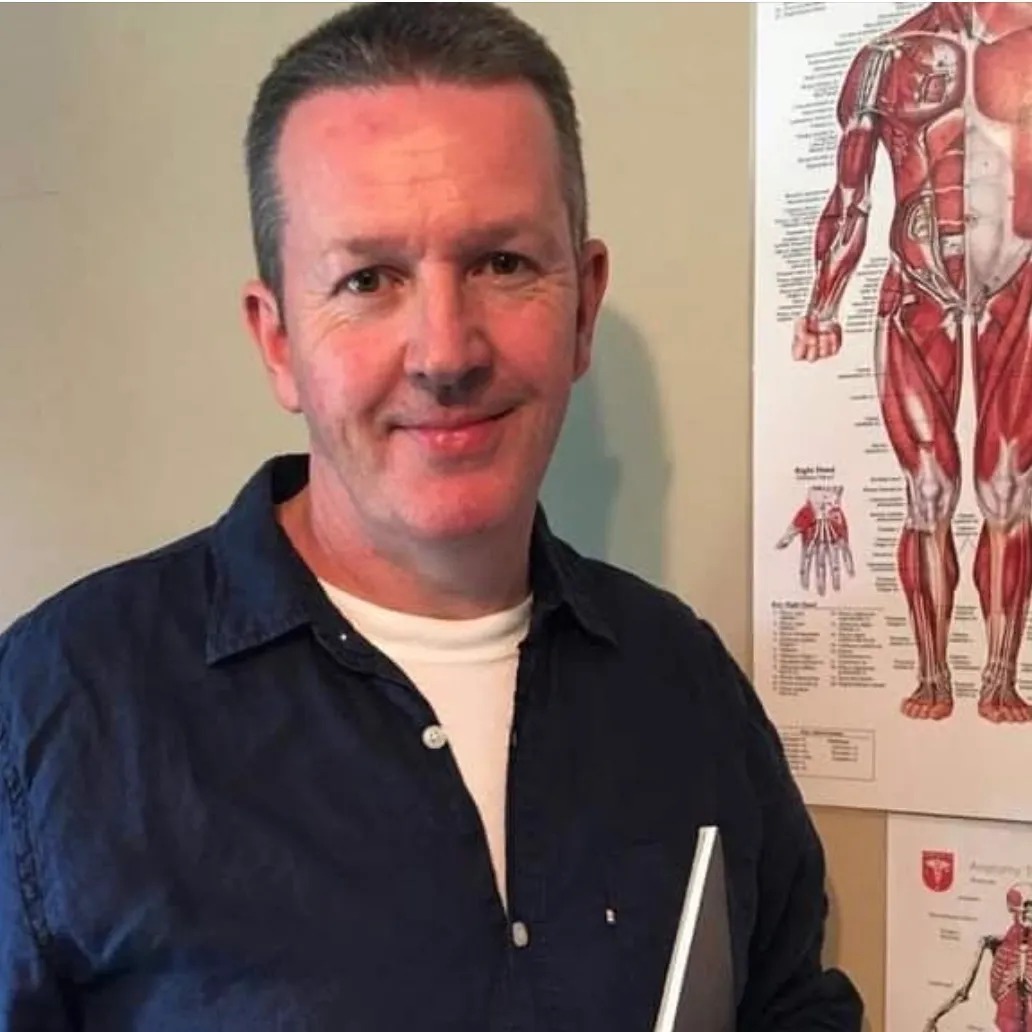
Stephen John McNamara
About
I'm a IOS trained Bowen Therapist with a background in Remedial Massage Therapy (ACFB Melb)
and Dry Needling and have been in the Allied Health industry since 2013...
In my career I've worked with Physiotherapy and Osteopathy clinics across Melbourne and These days I prefer to work from my home by appointment only.
My total focus remains to be your wellbeing and improved heath via the IOS based Bowen Technique.
Approved Modalities
- Remedial MassageRemedial massage involves the assessment and personalized treatment of muscles, tendons, ligaments, and connective tissues. Therapists trained in this field locate the source of pain by examining these structures and posture. They then administer targeted massages to enhance blood circulation, improve joint mobility, and aid tissue repair. Remedial massage therapists usually have specific objectives, such as addressing knee, shoulder, or back injuries, which may necessitate multiple sessions. This type of massage can assist with various conditions, including neck, shoulder, and back pain, injury prevention, headaches, fatigue, arthritis, anxiety/depression, diabetes-related symptoms, and addiction recovery.
- Bowen TherapyFounded by Thomas Ambrose Bowen (1916–1982) in Australia, Bowen Therapy, also known as Bowtech, is a remedial bodywork technique. Bowen Therapy gently works with the fascia and may facilitate healing musculoskeletal problems, injuries, organic, and chronic conditions. Gentle hand movements are performed on muscles, tendons, and ligaments, as well as the fascia. The aim of this approach is to reduce pain through nervous system stimulation.
- Dry NeedlingDry needling involves inserting stainless steel filiform needles into trigger points to treat myofascial pain and dysfunction caused by overuse, injury, or poor movement patterns. It is based on western anatomical and neuro-physiological principles and differs from acupuncture, which follows Traditional Chinese Medicine. Practitioners, often physical, sports injury, or massage therapists, may recommend exercises and physical therapy techniques alongside needling to prevent trigger point reoccurrence. Sessions may last 10 - 30 minutes, and various techniques can be used. Dry needling is effective for musculoskeletal conditions such as shoulder pain, low back pain, headaches, and more. Due to the skin penetration, infection control policies and legal guidelines must be strictly adhered to.
- Cupping (dry)Cupping therapy (dry), a form of Chinese and Middle Eastern medicine, is the application of heated cups to certain acupuncture points on the back. Cups may be left in place or moved across the tissue (eg. myofascial or sliding cupping). The cups create suction, drawing the skin and superficial muscles inside the cup, helping to remove stagnation and open meridians to allow the free flow of chi (energy). Cups can be made of materials such as glass, bamboo, clay, and silicone. Generally cupping is used to help with pain, inflammation, blood circulation, and relaxation and is generally performed by an acupuncturist, chiropractor, massage therapist, medical doctor or physical therapist. This modality does not cover wet cupping/bloodletting. Please refer to Hijama Cupping Therapy.
Location
Appointment
In person
Payment Methods
Bank Transfer
Cash
Paypal